
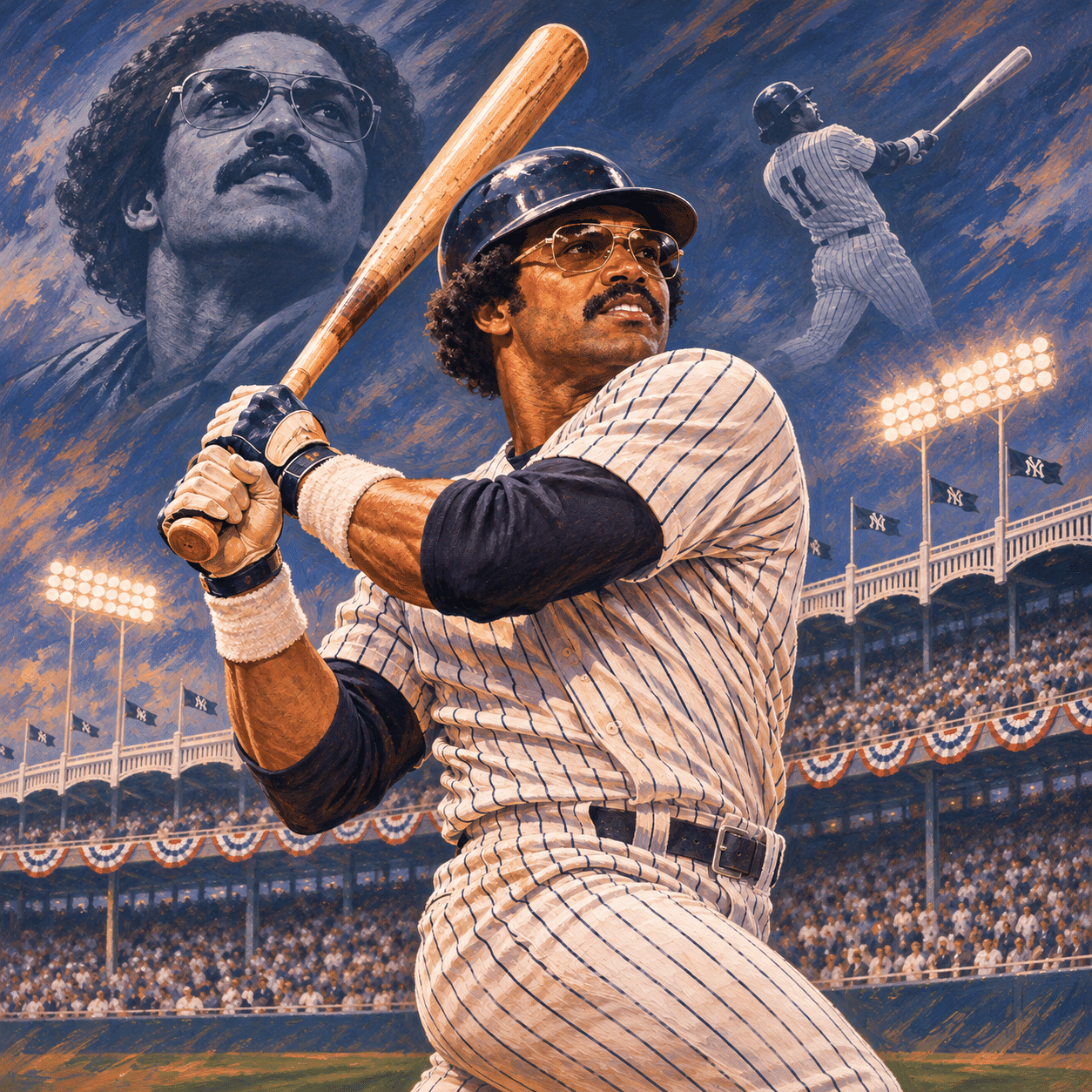

Baseball Hall of Famer Reggie Jackson, who experienced racial segregation and discrimination firsthand as a young Black baseball player in the 1960s, has condemned antisemitism in his native Philadelphia area, comparing it to the racism he endured in the Jim Crow South.
The 80-year-old New York Yankees legend, nicknamed “Mr. October,” issued his warning on November 7, as pro-Palestinian activists prepared a boycott of six Jewish-owned Philadelphia restaurants on the eve of Kristallnacht.
Born in nearby Wyncote, Jackson expressed anger and shame over antisemitism in the community where he grew up. He urged public officials to condemn the hatred and expressed his wish to stand alongside those protesting it.
Jackson’s comparison drew on painful personal experience. During a nationally televised interview at Birmingham’s historic Rickwood Field in June 2024, he recalled the racial hostility he encountered playing minor league baseball in Alabama in 1967. He was refused service in restaurants, denied hotel accommodations and excluded from a country club because he was Black. At one point, threats to burn down his apartment complex forced him to rely on white teammates and their families for shelter.
In his November 7 statement, Jackson recalled the segregation signs that once barred Black Americans from restaurants, bathrooms and drinking fountains. “I remember what that hatred looked and felt like,” he wrote, warning that hatred against any group must be rejected. Jackson cited Anti-Defamation League statistics documenting 465 antisemitic incidents in Pennsylvania in 2024, an 18 percent increase over the previous year, including 189 in Philadelphia and 51 in Montgomery County, where Wyncote is located. Although the ADL’s more recent audit documented a 40 percent decline in Pennsylvania incidents in 2025, the state still ranked fifth nationally, and antisemitic incidents targeting businesses increased by 61 percent.
Jackson also challenged Philadelphia’s political leadership to speak out unequivocally against antisemitism, warning that excusing hateful rhetoric could normalize hostility and deepen fear and division.
His appeal ended with a blunt demand: “What the hell? We have to speak up.”